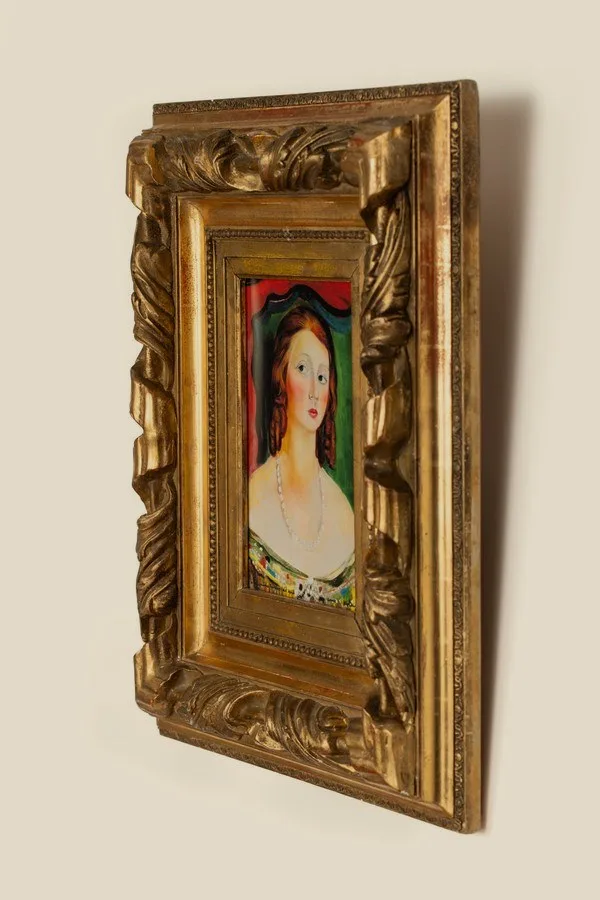
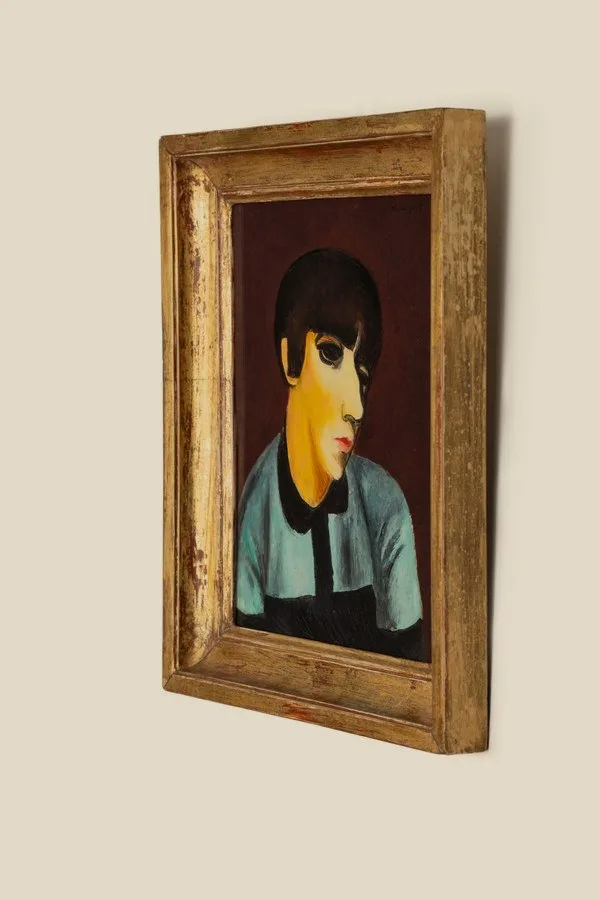
The Artists
Four painters, six works, six frames.
Familiar names and less familiar works — Van Gogh, Klimt, Modigliani and Kisling. Each is issued as an archival fine-art edition and paired with a genuine 19th-century antique frame, sourced individually in Paris. While each print is an edition, every finished pairing exists only once and is never repeated.
Vincent van Gogh
1853 – 1890
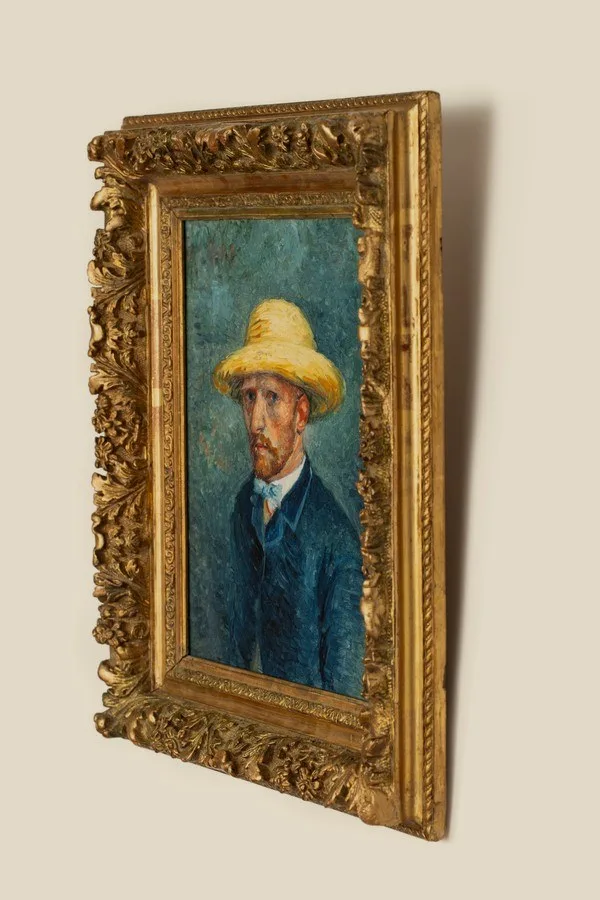
In the summer of 1887 Van Gogh was living in Paris with his brother Theo, painting himself over and over because he could not afford models. One of those canvases hung for decades in Amsterdam labelled a self-portrait.
The Van Gogh Museum currently identifies the work as Self-Portrait or Portrait of Theo van Gogh, preserving the uncertainty surrounding the sitter. Theo’s support was central to Vincent’s life and work.
Gustav Klimt
1862 – 1918
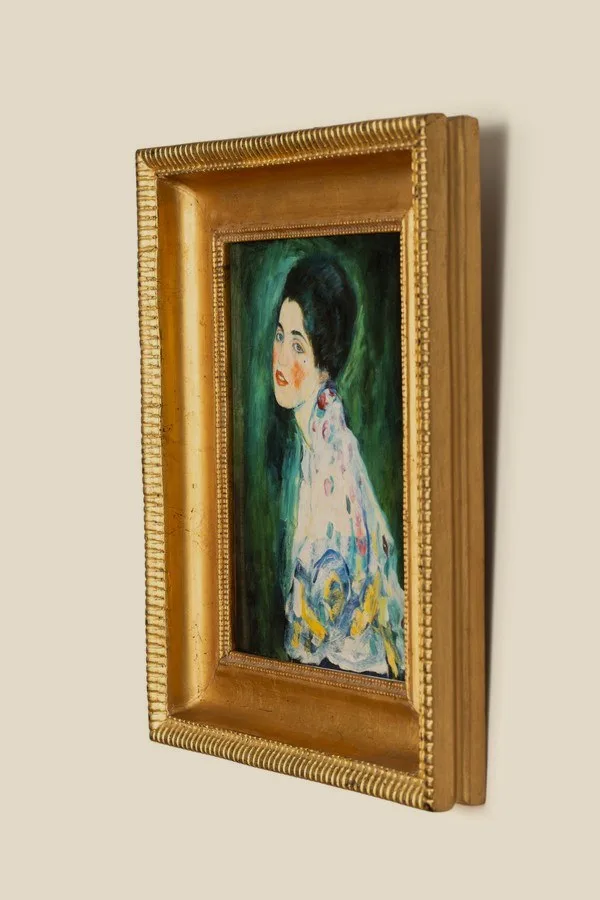
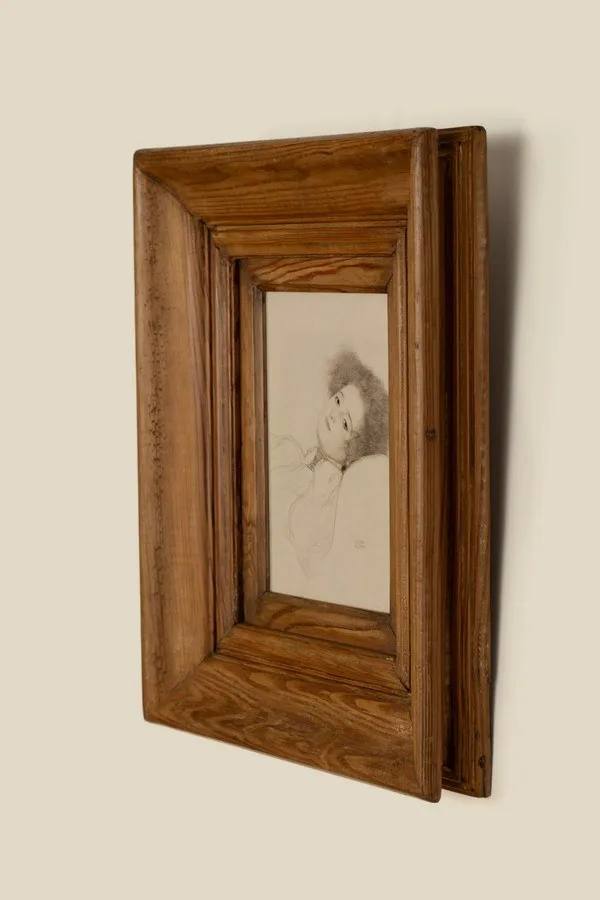
Klimt founded the Vienna Secession in 1897 and spent the rest of his life painting women — in gold, in pattern, and in thousands of drawings made in private that almost no one saw during his lifetime.
Portrait of a Lady (1916–17) has a stranger history than most paintings survive. It was stolen from the Ricci Oddi gallery in Piacenza in 1997 and vanished for twenty-three years. In 2019 a gardener found it inside a cavity in the gallery's own exterior wall. X-rays had already revealed a second portrait beneath it, painted over by Klimt himself.
Amedeo Modigliani
1884 – 1920
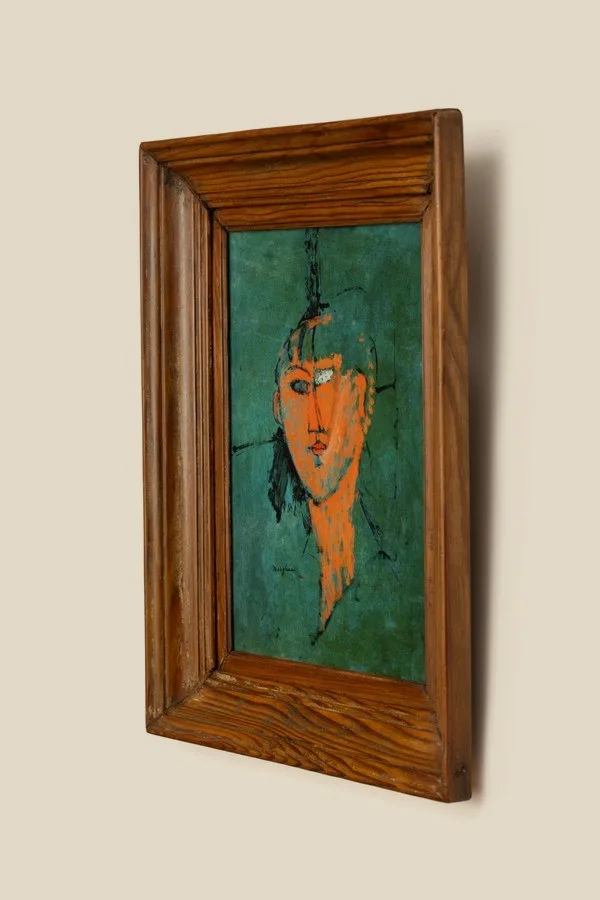
Born in Livorno, Modigliani arrived in Paris in 1906 and spent his first years there carving stone rather than painting. The sculpture never left him: the long necks, the tilted heads, the blank almond eyes of his portraits are a stonecutter's shapes rendered in oil.
Tête Rouge dates from 1915, when he had returned to painting for good. The original is held by the Centre Pompidou in Paris. He died five years later, at thirty-five.
Moïse Kisling
1891 – 1953
Kisling was born in Kraków, trained at its School of Fine Arts, and came to Paris at nineteen. His studio at 3 rue Joseph-Bara in Montparnasse became the room where Modigliani, Soutine, Derain and Juan Gris turned up on Wednesdays. His friends called him the Prince of Montparnasse.
He was one of the central figures of the École de Paris, and one of its few commercial successes — Cocteau, Colette, Arletty and Kiki de Montparnasse all sat for him. Modigliani painted his portrait in 1916. His work entered the public domain in 2024.